
Galician cuisine — a Ukrainian-Polish-Jewish-Armenian mix

A study of the multicultural character of 19-20th century Galician cuisine, where four peoples created a single culinary code.
Galician cuisine is the most multicultural region in the Ukrainian gastronomic landscape. For centuries on the territory of modern Western Ukraine Ukrainians, Poles, Jews, and Armenians coexisted — four peoples, four culinary traditions. Instead of competition — mutual enrichment. 19th-century Lviv had 47 Jewish cafés, 23 Armenian bakeries, 31 Polish pasty shops, 18 Ukrainian eating houses — and all these venues exchanged recipes daily.
Concrete examples of synthesis: Galician borsch (Ukrainian base + Jewish copy-recipe on pickled beet + Polish pampushky), Carpathian brynza-black bread (Ukrainian tradition + Armenian cheese-aging method), Lviv medivnytsia (Polish bazaar recipe + Jewish honey fermentation method + Ukrainian nuts). Every dish of the Galician tradition is a hybrid. This is not „contamination“, this is „enrichment“.
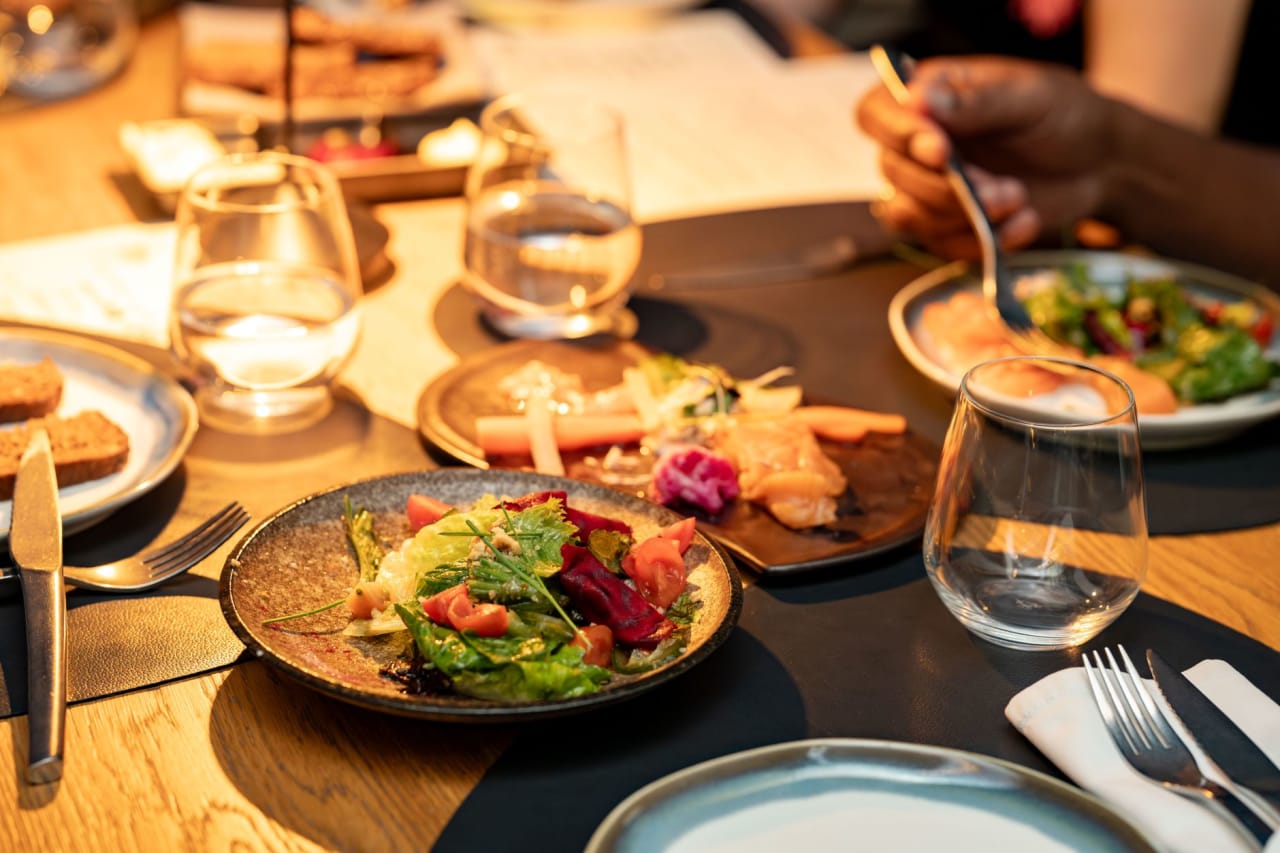
In 2026 a movement to revive Galician cuisine in its historical-multicultural integrity is emerging in Ukraine. Lviv restaurants Baczewski, Atlas, and Mons Pius work in this direction. This is not 'new Ukrainian cuisine' in fusion style — this is a return to the historically authentic flavour of 19th-century Galicia. The researcher recommends: when you eat in a Galician restaurant, try to imagine the four-cultural context of this dish. It enriches the gastronomic experience.





