


Hutsul cuisine — the culinary language of the Ukrainian Carpathians


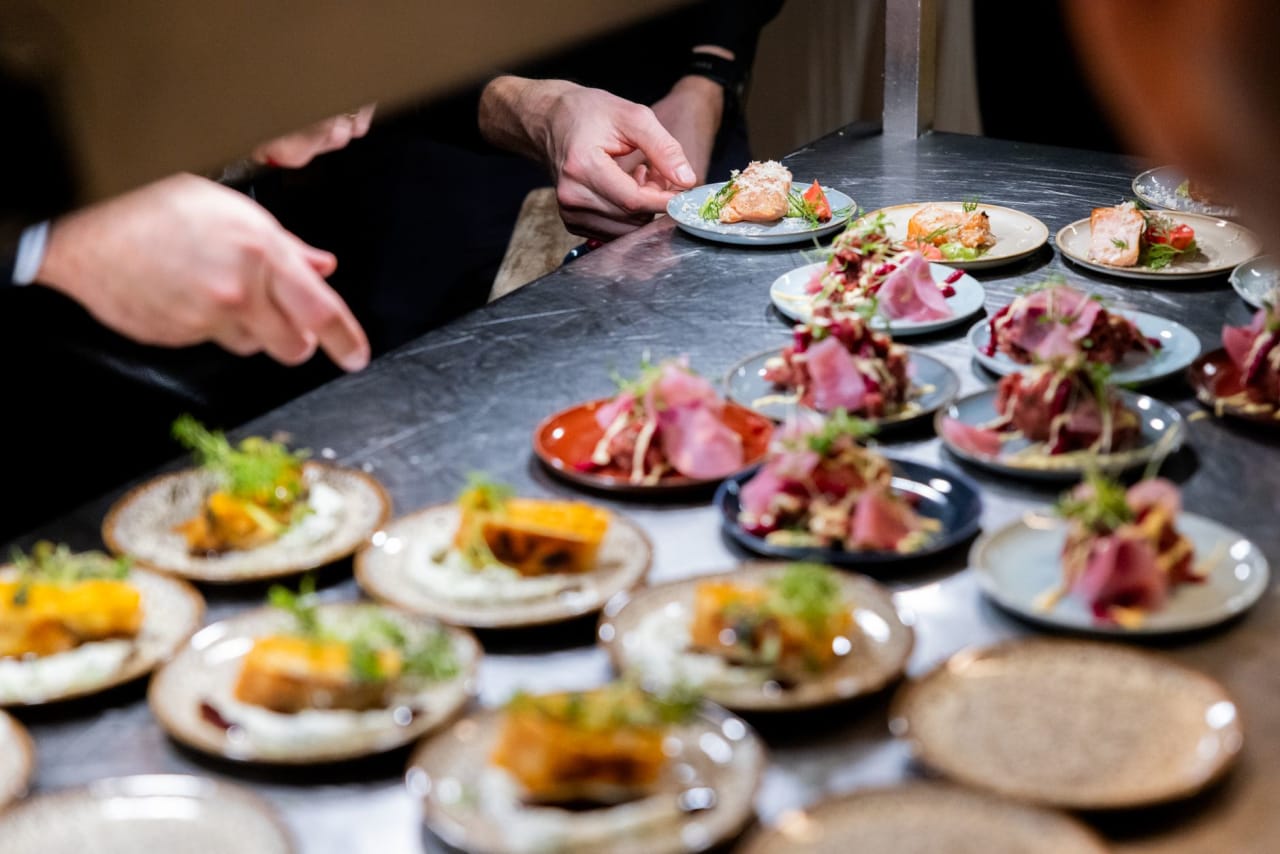
A study of the Hutsul culinary tradition — from brynza and kulesha to Carpathian trout and lingonberry varenukha.
Hutsulshchyna is the most mountainous region of Ukraine. The elevation of Carpathian villages — from 800 to 1,400 metres — creates unique gastronomic conditions: short vegetative summer, long winter, limited product choice. This formed a culinary tradition where every ingredient has seasonal and ritual significance. Hutsul cuisine is not simply 'food' but a system of codes structuring the annual calendar.
Key Hutsul dishes: kulesha (a thick porridge-like dish of corn flour — the main daily food on which biological survival in mountain villages depends; one portion is 1,100 calories); brynza (sheep cheese product matured in leather sacks for 6-9 months; produced on high-mountain polonynas in June-August, then wintered in cellars); grilled Carpathian trout with forest thyme (catch from mountain rivers, route from river to plate — 4-5 hours); lingonberry varenukha (alcoholic drink from forest berries, fermented 4-6 weeks).
Hutsul cuisine is a living tradition, not a museum. In 2026 family agro-homesteads operate in Carpathian villages (Kryvorivnia, Kosiv, Verkhovyna) where guests can taste real Hutsul food. This is not a 'restaurant experience' but a household culture. The researcher recommends: when you visit the Carpathians, spend at least one lunch not at a hotel restaurant but at a family agro-homestead — there you will get the real Hutsul flavour. This is a different axis of gastronomic education that has nothing in common with the urban restaurant experience.





