

Polissia mushroom cuisine — two millennia of unbroken tradition

A study of the Polissia mushroom tradition — from ancient Slavic rituals to modern dishes with dried porcini and honey fungus.
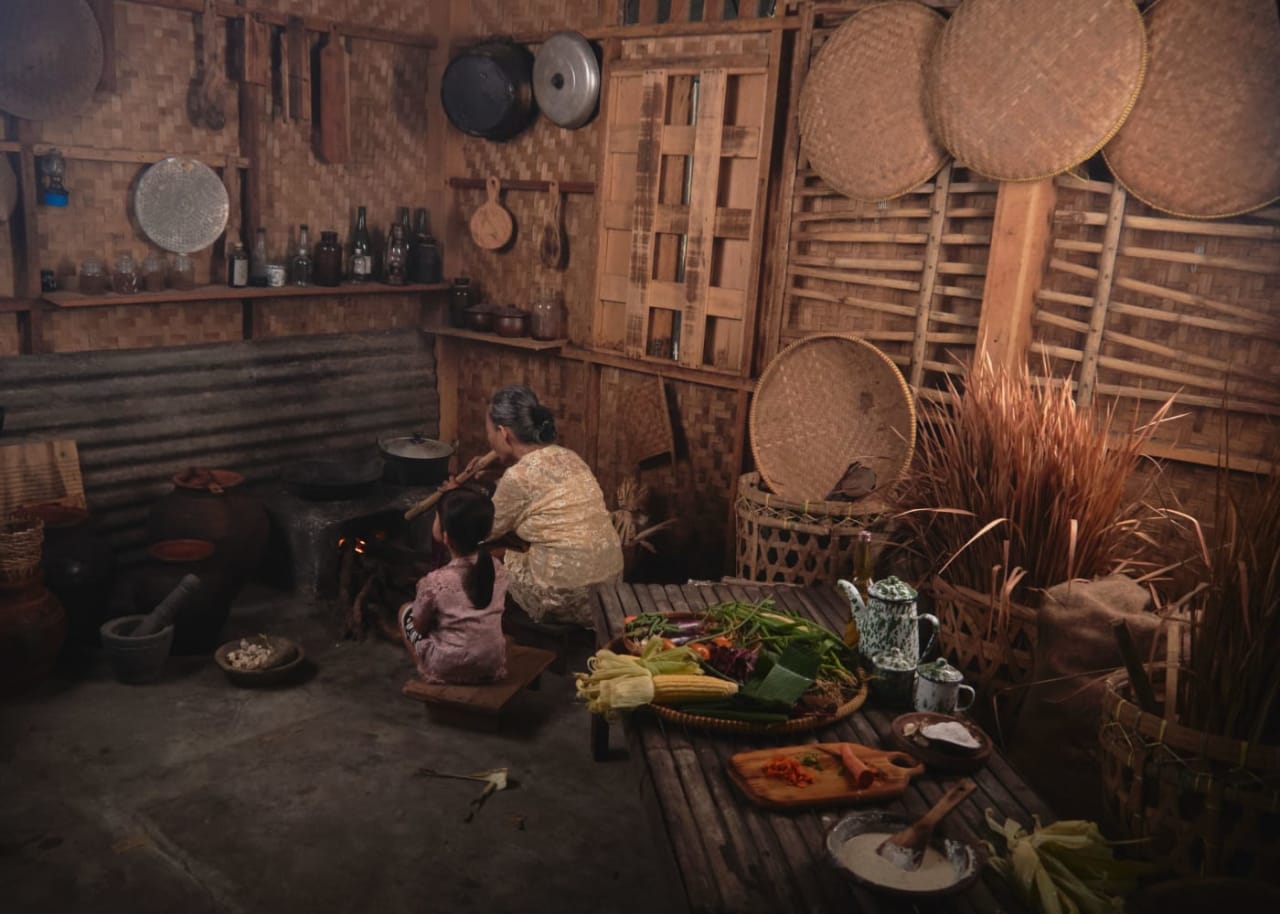
Polissia is the most 'forested' region of Ukraine. Half of the territory of Chernihiv, Zhytomyr, Rivne, and Volyn oblasts is forest, predominantly mixed, ideal for mushroom growth. Polissia mushroom cuisine is a two-thousand-year tradition that exists without interruption from ancient Slavic times to today. Archaeologists find remains of culinary pots with mushroom-dish residue in territories archaeologically attributed to the Chernihiv-Sivers Principality.
Key dishes: porcini soup with sour cream and rye dumplings (a 15th-century recipe documented in the Kyiv-Pechersk Lavra archives); baked honey fungus with young potato and smoked butter; marinated sort-cooked butter mushrooms (formerly used as winter stock, today as restaurant appetiser); black mushroom bread (a rare dish where mushrooms are kneaded straight into the dough and baked).
In the past 20 years Polissia mushroom culture has lost half of its transmission — the younger generation does not learn foraging and processing from grandmothers. This is a gastronomic and anthropological crisis. In 2026 a Forest Kitchen School operates in Kyiv at the Kanapa restaurant where 12 participants monthly learn foraging rules, mushroom identification, and traditional processing methods. This is a small but important step. The researcher recommends: in autumn visit the town of Ovruch in Zhytomyr oblast — at October fairs dried porcini from 8-10 different Polissia villages are sold there, each with its own drying method.





